
Scratching in the attic at night, droppings in the garage, or chewed fruit on the backyard tree usually mean rats or mice have found a way in. Traps alone catch the rodents already inside, but more will follow unless the openings are sealed. Cal Termite & Pest Control finds how they are getting in, seals those openings, and traps the rodents inside, for homes and businesses across Ventura, Santa Barbara and Los Angeles counties from our offices in Ventura, Woodland Hills and Santa Barbara.
Which Rodent Do You Have?
- Roof Rat Slender and agile, dark brown to black, with a tail longer than its head and body. It is the rat we see most in coastal Southern California. Roof rats climb trees, fences, ivy and utility lines, nest in attics and dense vegetation, and feed on fruit, nuts, pet food and bird seed (UC IPM Rats Pest Note).
- Norway Rat Heavier and brown, with a tail shorter than its body. It burrows along foundations, under slabs and woodpiles, and gets into crawl spaces and garages at ground level.
- House Mouse Small and gray-brown, with droppings about the size of a grain of rice. It nests inside walls, cabinets, appliances and stored boxes (UC IPM House Mouse Pest Note).
- Deer Mouse Brown on top with a white belly and feet. It mostly lives outdoors but moves into cabins, sheds and garages, and it is the main carrier of hantavirus in California.
Signs to Look For
- Droppings: rat droppings are about 1/2 inch long; mouse droppings are much smaller.
- Scratching or running sounds in the attic or walls, especially at night.
- Gnawed wires, wood, food packaging or irrigation lines.
- Greasy rub marks along walls, beams and entry holes.
- Hollowed-out oranges, avocados or other fruit still hanging on the tree, a common sign of roof rats.
- Burrows along the foundation or under slabs and woodpiles, a sign of Norway rats.
How We Get Rid of Rats and Mice
- Free Inspection We check the roofline, attic, vents, eaves, garage door seals, crawl space, and where pipes and wires enter the house, plus trees, vines and fences that give rats a path to the roof. We identify the species and show you each entry point. You get a written quote.
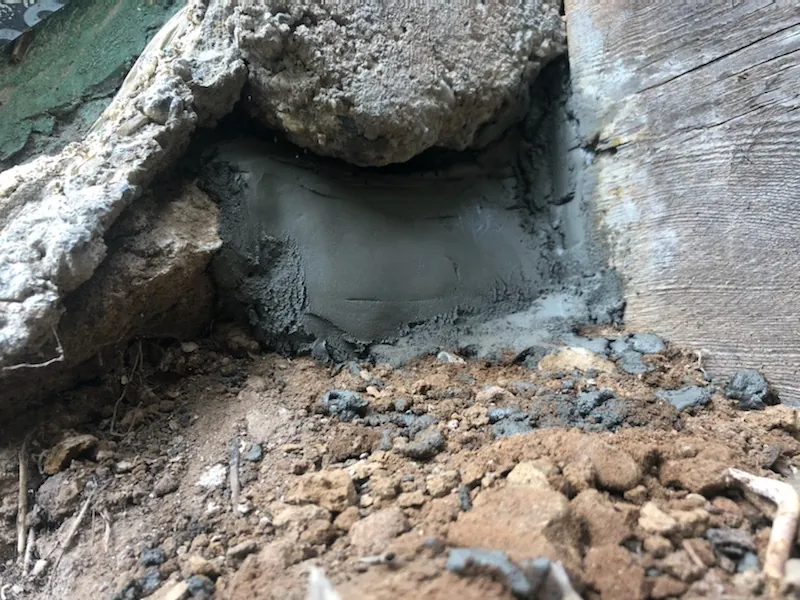
- Exclusion Sealing entry points is the step that keeps rodents out. UC IPM notes that rats can squeeze through an opening about 1/2 inch wide and mice through about 1/4 inch, so we close gaps around vents, pipes, eaves and garage doors with materials rodents cannot chew through, such as hardware cloth and metal flashing.
- Trapping We set traps where we find activity, in the attic, garage and along runways. Please leave traps and stations where the technician puts them. Sealing can be scheduled for a later visit, and a final visit removes the traps and stations.
- Yard Recommendations We point out what is feeding and sheltering rodents, such as fallen fruit, ivy, bird seed, open compost and branches touching the roof.
- Follow-Up Your written quote spells out what follow-up is included.
Health Risks and Safe Cleanup
Rodents contaminate food and surfaces with droppings and urine and can spread diseases such as salmonella and leptospirosis. In California, the California Department of Public Health says hantavirus is carried mainly by deer mice and spreads when people breathe in dust from their droppings, urine or nests (CDPH Hantavirus). Rodents also chew wiring, which can damage it.
When cleaning up droppings, do not sweep or vacuum them dry. Air out the space, wear gloves, soak the droppings and nesting material with a bleach solution (1 part bleach to 10 parts water) or a household disinfectant, wait about 5 minutes, then wipe up with paper towels and bag the waste. For heavy contamination in an attic or closed building, ask us what we found before you start.
Rodent control by city: Ventura | Woodland Hills | Santa Barbara | Oxnard | Camarillo | Thousand Oaks | Simi Valley | Calabasas | Malibu | Tarzana | Ojai | Sherman Oaks | Moorpark | Santa Paula | Reseda | Encino | Oak Park | Agoura Hills
Sealing, Trapping and Bait: What Each One Does
Rodent work is a few jobs, not one. This is what each part does and what it asks of you.
| Compare | Sealing entry points | Trapping | Bait |
|---|---|---|---|
| What it does | Closes the gaps rodents use to get in, with materials they cannot chew through, such as hardware cloth and metal flashing | Removes the rats and mice already inside, with traps set in the attic, garage and along runways | Used outdoors only, where it makes sense. We explain where and why at the inspection. |
| On its own | Stops new rodents from getting in | Catches the rodents already inside, but more follow unless the openings are sealed | Not the main tool in our rodent work |
| What you do | Nothing special. Sealing can be scheduled for a later visit. | Leave traps and stations exactly where the technician puts them, and never move them | Follow what your technician tells you at the inspection |
| How it ends | The openings stay closed | The one-time plan runs 6 months. A final visit removes the traps and stations. | Your technician explains this at the inspection |
Book a free inspection and we find the entry points, seal them and trap the rodents inside, with a written quote before any work starts. Related: Pest Control Services.
Common Questions
Do You Use Poison Bait?
Our rodent work centers on sealing entry points and trapping, which removes rodents instead of leaving them to die inside walls or the attic. If bait makes sense outdoors, we explain where and why during the inspection.
How Long Does It Take?
It depends on the size of the home, how many entry points there are, and how many rodents are inside. Most of the work is the sealing and the first round of trapping. Your written quote spells out what follow-up is included.
What Affects the Cost?
How many openings need sealing and how hard they are to reach, the size of the attic and crawl space, and how many trap checks are needed. You get a written price after the free inspection.
Why Do Rodents Come Inside Ventura, West Valley, and Santa Barbara Homes in Winter?
As nights cool in late fall and winter, rats and mice look for a warm gap at a roofline, garage door, or pipe opening. A free rodent inspection will show how they are getting in. One-time rodent work is a 6-month plan, with follow-up on exclusion and a final visit to remove traps and stations.
Where We Service
Rodent work is handled from our three offices in Ventura, Woodland Hills and Santa Barbara. Oxnard is served from the Ventura office; we do not have a separate Oxnard address. We start with a free homeowner rodent inspection. Call (805) 639-8973 or request a visit online.
Cal Termite & Pest Control, Ventura office
2175 Goodyear Ave, Suite 124
Ventura, CA 93003
Phone: (805) 639-8973
Hours: Monday–Friday, 7:00 AM – 5:00 PM
Get directions on Google Maps
This office also serves Oxnard.
Cal Termite & Pest Control, Woodland Hills office
23012 Ventura Blvd
Woodland Hills, CA 91364
Phone: (805) 639-8973
Hours: Monday–Friday, 7:00 AM – 5:00 PM
Get directions on Google Maps
Cal Termite & Pest Control, Santa Barbara office
7 W Figueroa St, Suite 318
Santa Barbara, CA 93101
Phone: (805) 639-8973
Hours: Monday–Friday, 7:00 AM – 5:00 PM
Get directions on Google Maps
Why Homeowners Call Cal Termite for Rodents
- Free inspection and a written quote before any work starts.
- Same-day service is available.
- Your written quote spells out what follow-up is included.
- Local offices in Ventura, Woodland Hills and Santa Barbara.
- Award-winning pest control, rated 5 stars by 750+ customers.