
Some pests do not live in your house. They live in the mulch, leaf litter and damp soil around it, and wander inside when the weather changes, the ground dries out or the porch light draws them in. Crickets, earwigs, silverfish, centipedes, millipedes, pill bugs and sow bugs are the usual ones. Grasshoppers and walking sticks sometimes turn up on walls, screens and patios too. Cal Termite & Pest Control handles these occasional invaders for homes in Ventura, Santa Barbara and Los Angeles counties.
What You Might Be Finding
 Crickets
Field crickets are shiny black or brown and about 0.6 to 1 inch long. They feed at night, hide during the day, and are drawn to lights. According to UC IPM, they often move toward homes in large numbers when weedy fields and vacant lots dry out in summer. Indoors they are mostly a noise problem.
 Earwigs
 are the reddish-brown insects with pincers on the back end. They feed at night and hide by day in tight, damp spots: under mulch, boards, pots and ground cover. UC IPM notes they eat seedlings and soft fruit but also eat aphids and other insects. They come inside under doors and through gaps, especially when it is hot and dry outside.
 Silverfish and Firebrats
Silverfish are shiny, silver or pearl-grey insects about 1/2 inch long that move quickly. They need humid places, so they show up in bathrooms, laundry rooms and under sinks. Firebrats are a mottled grey or brown relative that prefers hot spots near ovens, furnaces, fireplaces and hot water pipes. UC IPM says both come out at night and feed on dry foods such as cereal, flour, pasta and pet food, and on paper with glue or paste and book bindings.
 Centipedes and Millipedes
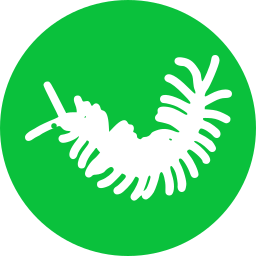
Centipedes are fast, flattened and have one pair of legs per body segment. They are predators and eat other insects and spiders, so a centipede indoors often means there is something else for it to eat. Millipedes are slower and rounder, with two pairs of legs per segment, and they feed on decaying plant material. UC IPM notes that millipedes sometimes migrate in large numbers when their food runs low or their habitat gets too wet or too dry, and those that wander indoors usually die quickly because it is too dry. Centipedes never damage plants or household items, but a large one can give a painful bite if handled, and some millipedes give off a liquid that can irritate skin or eyes.
 House Centipedes
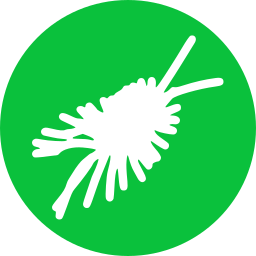
The house centipede is the one most people find indoors. Its body is about an inch long, grey-yellow with dark stripes, and its 15 pairs of long legs let it run fast across floors and walls. UC IPM says centipedes indoors turn up in damp basements, closets and bathrooms, or anywhere insects live, hiding in cracks by day and hunting at night. House centipedes eat flies, cockroaches and other small household pests and never damage plants or household items. Seeing several usually means there is something else for them to eat, so cutting down the other pests and drying out damp rooms is what brings their numbers down.
 Pill Bugs and Sow Bugs
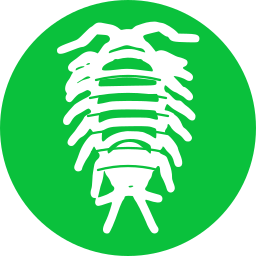
These are crustaceans, not insects, with seven pairs of legs. Pill bugs roll into a ball when disturbed; sow bugs cannot. They feed on decaying plant matter and can nibble seedlings. According to UC IPM, they need moisture to survive, so they collect under mulch, pots and boards next to the foundation and sometimes wander in under doors.
 Grasshoppers
 have big hind legs built for jumping and short antennae, which is the quickest way to tell them from crickets. According to UC IPM, they are on-and-off garden pests: in some years, especially after a wet spring, large numbers build up in foothills and open land and move into nearby gardens once the wild plants dry up, usually for a few weeks in early summer. They chew the leaves and flowers of vegetables and annual flowers. They do not live in the house or damage it, but yards next to open hillsides and fields can see a lot of them on walls, screens and patios. UC IPM calls them one of the hardest garden pests to manage, so at the inspection we tell you whether treatment around the house is worth it, or whether covering the garden beds with screening will do more.
 Walking Sticks
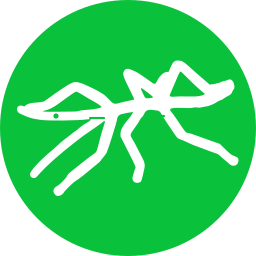
Walking sticks are slow, thin green or brown insects shaped like a twig, and they stay still to hide. They feed only on leaves, do not sting, and do not harm the house or anything in it. Most people find one on a wall, a screen or a shrub by the door and just want to know what it is. If you are seeing them often, a plant next to the house is usually feeding them. We will identify it for you, and in most cases no treatment is needed.
Why They Come Inside
These pests share the same causes: moisture, shelter right against the house, and a way in. Thick mulch or ivy against the foundation, sprinklers that wet the walls, leaky hose bibs, gaps under doors and bright porch lights all draw them closer. Fixing those does most of the work. For centipedes and millipedes, UC IPM says insecticides are rarely needed, and we will tell you when that is the case.
How We Handle Occasional Invaders
- Free Inspection We identify what you are finding and look for where it is coming from: damp mulch and ground cover, irrigation hitting the walls, gaps under doors and around pipes, and damp crawl spaces, bathrooms or laundry rooms. You get a written quote before any work starts.
- Fixing the Cause We point out the moisture, harborage and entry points that are bringing them in, and seal or correct what we can.
- Targeted Treatment When Needed When numbers are high, we treat the entry points, the foundation perimeter and the hiding spots they come from, using products registered for that use and applied by the label. Indoors, we treat cracks and voids where silverfish or firebrats live, not open rooms.
- Follow-Up Your written quote spells out what follow-up is included.
What You Can Do Around the House
- Pull mulch, leaf litter and dense ground cover back a few inches from the foundation, and move pots, boards and firewood away from the walls.
- Aim sprinklers away from the house and fix leaky hose bibs and drip lines next to the foundation.
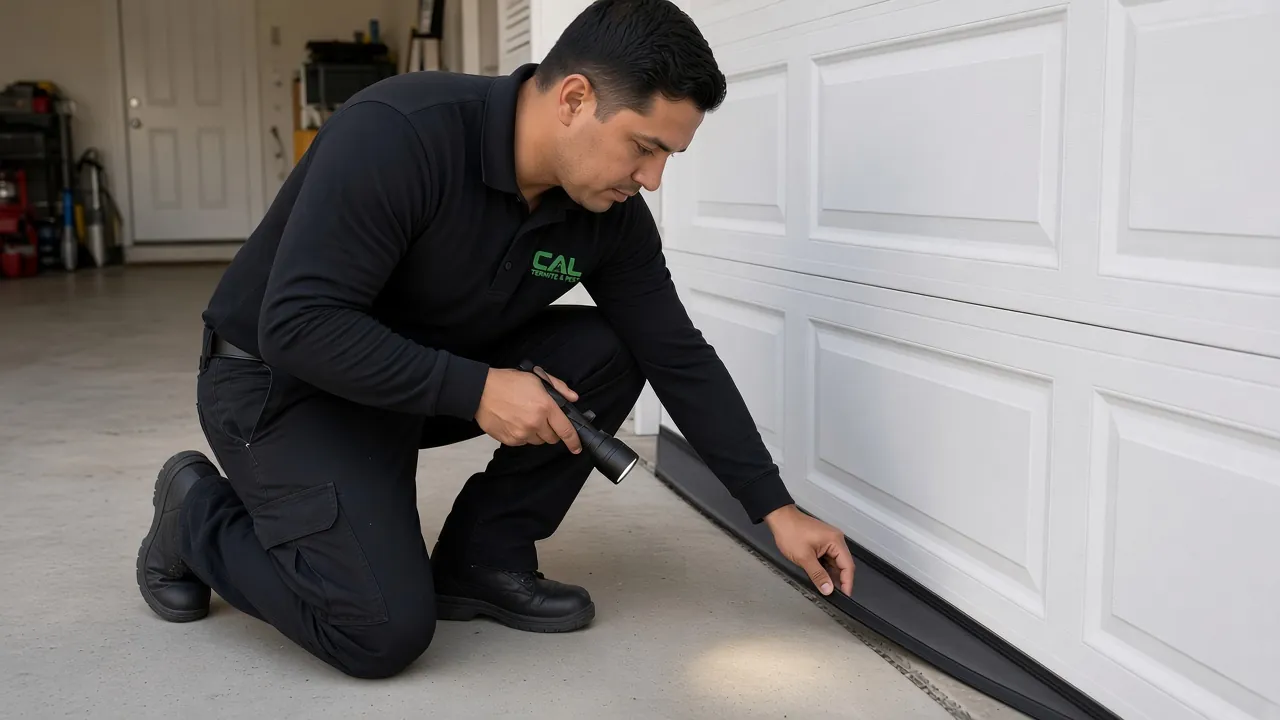
- Install door sweeps and weather stripping, and seal gaps around pipes and vents.
- Swap bright porch lights for yellow bulbs or motion-activated lights, which UC IPM suggests draw fewer night-flying insects and the pests that follow them.
- Indoors, run a bathroom fan or dehumidifier, fix plumbing leaks, and store paper, books and dry foods in sealed containers.
Common Questions
Are Centipedes Dangerous?
They are mostly a nuisance. Centipedes eat spiders, cockroaches and other small household pests, and UC IPM notes they never damage plants or household items. A large one can give a painful bite if handled, so do not pick them up. Seeing many centipedes usually means there are other insects for them to eat.
Why Do I Find Dead Millipedes or Pill Bugs Inside?
They need moisture. When they wander in under a door, the house is too dry for them and they die. Sealing the gaps and drying out the area next to the foundation stops most of it.
Can Silverfish Damage My Things?
They can. Silverfish chew on book pages and bindings and paper with glue or paste, and get into dry foods like cereal, flour and pet food. Lowering humidity and sealing stored paper and food protects them.
Will Spraying the Yard Fix This?
Usually not by itself. These pests come from moisture and cover next to the house. We treat where it helps, but fixing the cause is what keeps them out.
What Affects the Cost?
The size of the home, how much ground cover and mulch borders it, and whether we find a moisture problem inside. You get a written price after the free inspection.
Why Homeowners Call Cal Termite for Occasional Invaders
- Same-day service is available.
- Free inspection, followed by a written quote.
- Your written quote spells out what follow-up is included.
- Registered with the California Structural Pest Control Board, PR 7556.
- Award-winning pest control, rated 5 stars by 750+ customers.
- Local offices in Ventura, Woodland Hills and Santa Barbara.