Most rat and mouse problems in Ventura, Santa Barbara and the west San Fernando Valley start the same way: something outside is feeding them, something near the house is sheltering them, and a gap lets them in. Prevention means working on all three. These steps follow the University of California UC IPM Rats Pest Note and UC IPM House Mouse page, and they are the same things our technicians check on a rodent inspection.
Know Which Rodent You Have
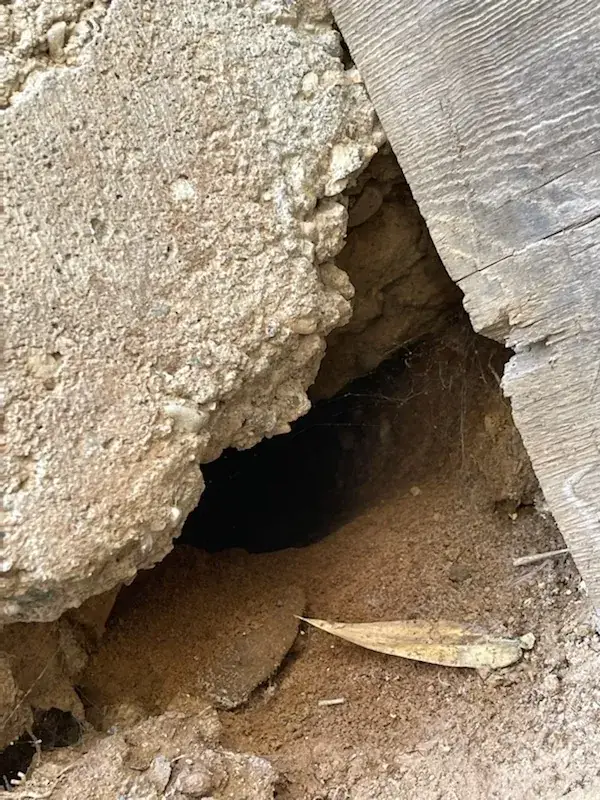
Roof rats are slender climbers with a tail longer than their head and body. UC IPM says they nest above ground in trees, shrubs and dense plantings such as ivy, and indoors they favor attics, walls and false ceilings. Norway rats are stockier and dig burrows along foundations, under trash and compost piles and in woodpiles, and stay on the ground floor. House mice are much smaller and nest in walls, cabinets and stored boxes. The species tells you where to look and where traps go: low for Norway rats, up on ledges, beams and fences for roof rats.
Seal the Way In
This is the step that makes the rest last. UC IPM recommends sealing cracks and openings larger than 1/4 inch with steel wool, wire screen or sheet metal, and fitting door sweeps or weather stripping so doors close tight. Rats can gnaw through plastic, foam, wood and caulk, so foam alone does not hold.
Places we check on almost every house:
- Where pipes, cable, gas and AC lines go through the wall.
- Roof and attic vents, and the gaps where the roof meets the fascia.
- Crawlspace vents and access doors.
- Garage doors that do not sit flat on the slab.
- Dryer vents without a working flap.
Take Away the Food
- Pick up fallen fruit and nuts. Citrus and avocado trees in older yards are a common food source.
- Feed pets only what they eat in one sitting, or bring the bowl in at night.
- Keep garbage, compost and stored food, inside and out, in containers with tight-fitting lids. UC IPM notes rats can gnaw through plastic, so metal is better for anything outdoors.
- Clean grease off grills and keep them covered.
- Store bird seed and pet food in metal bins, and clean up seed under feeders.
Take Away the Shelter
UC IPM recommends thinning dense plantings, keeping at least 2 feet between shrubs and between shrubs and the house, removing climbing plants such as ivy from walls, and pruning tree limbs that come within 3 feet of the roof. Clear clutter in garages and sheds, keep firewood stacked off the ground and away from the house, and look for burrows under compost bins and garbage cans.
Signs Rodents Are Already There
- Droppings near food, pet dishes or stored items.
- Scratching or running sounds in the attic or ceiling at night.
- Gnawed fruit or nuts in the yard, or chewed boxes and wires.
- Rats running along fences or utility lines at dusk.
- Burrows along the foundation or under garbage cans.
If you see these, sealing alone is not enough, because it can trap animals inside. They need to be removed first, then the house sealed.
Clean Up Safely
Deer mice can carry hantavirus. The California Department of Public Health hantavirus page advises against sweeping or vacuuming droppings. Air out the space, wear gloves, wet droppings and nests with a disinfectant or bleach solution, wipe them up and bag them. Our Rodent Control page lists the full cleanup steps.
When to Call Us
If you are hearing animals in the attic, finding fresh droppings, or have sealed and still see activity, our technicians inspect the house from the roof to the crawlspace, show you each entry point, trap and remove the rodents, and seal the openings with rodent-proof materials. You get a written quote before any work, and same-day service is available. Your written quote spells out what follow-up is included.
Common Questions
What Size Hole Can a Rat Get Through?
UC IPM says young rats can squeeze under a door with only a 1/2-inch gap, and it recommends sealing any crack or opening larger than 1/4 inch, which also keeps out house mice.
Can I Seal Holes With Spray Foam or Caulk?
Not by itself. UC IPM notes that rats chew through plastic, foam, wood and caulk. Use steel wool, wire screen or sheet metal, and caulk over it if you want a finished look.
How Far Should Trees Be From My Roof?
UC IPM recommends pruning tree limbs that are within 3 feet of the roof, removing climbing plants from the house, and leaving at least 2 feet between shrubs and the building.
Are Poison Baits a Good Idea at Home?
UC IPM points out that all rodenticides are toxic to pets, wildlife and people, and that snap traps are the safest, most effective and most economical way to trap rats. If you do use bait, it has to be in a tamper-resistant station and used exactly as the label says.
Related: Rodent Control | Pest Control Services | more pest control tips. Award-winning pest control, rated 5 stars by 750+ customers, with offices in Ventura, Woodland Hills and Santa Barbara.