Two very different things get called a termite inspection, and they are priced differently. If you own your home and want to know whether you have termites, the inspection from Cal Termite & Pest Control is free. If the home is being sold or refinanced, escrow usually needs a formal Wood Destroying Pests and Organisms (WDO) report, which is a paid, state-regulated inspection. This post explains the difference, what each one includes, and what actually drives the cost of the work afterward, for homes in Ventura, Santa Barbara and Los Angeles counties.
The Free Termite Inspection for Homeowners
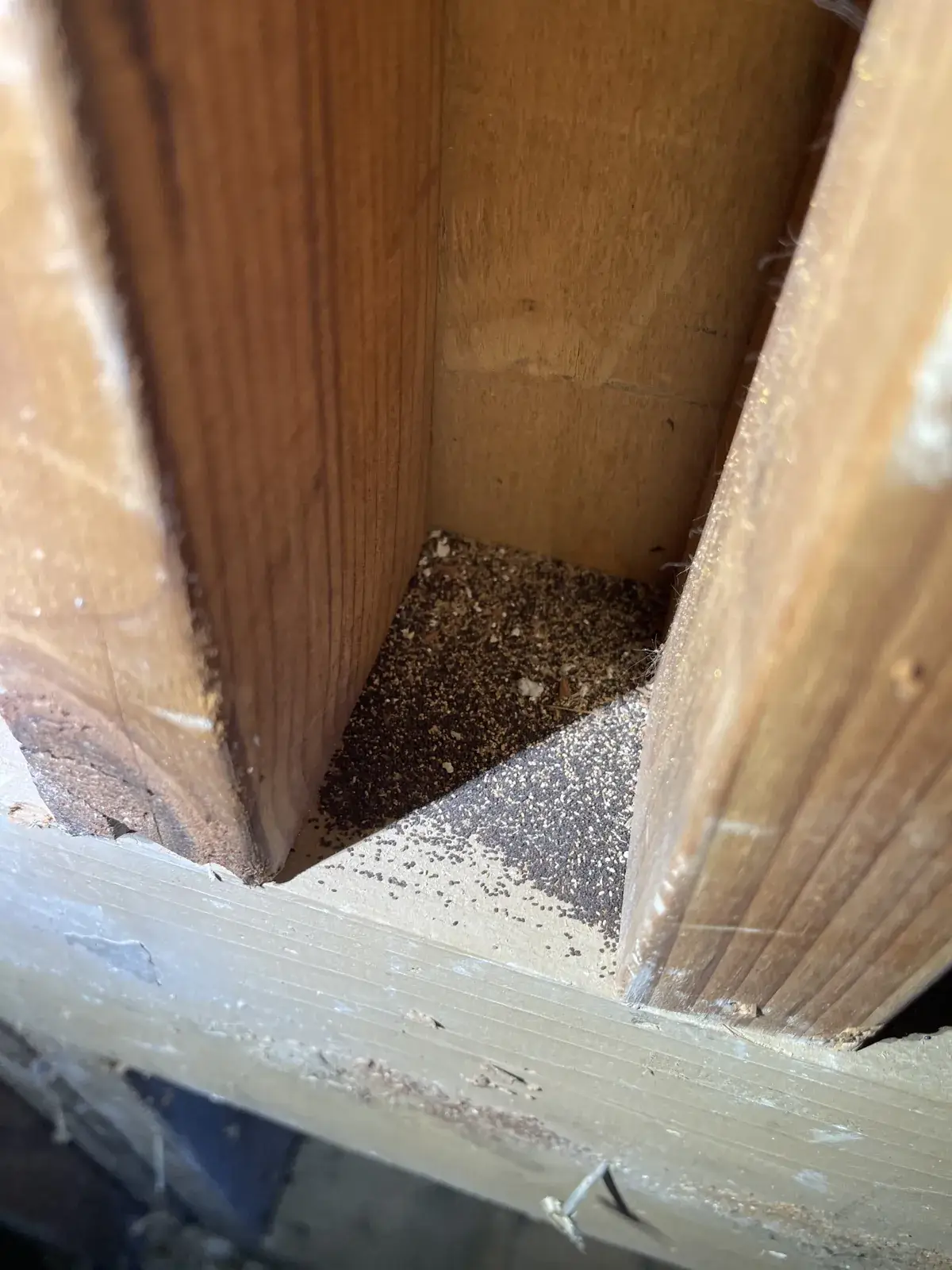
This is the inspection to get when you see pellets on a window sill, find wings in the garage, or just want the house checked. One of our licensed inspectors goes over the accessible parts of the home: the exterior and eaves, the attic, the crawlspace or slab edges, the garage, decks and attached structures, and interior trim, windows and baseboards. We look for the six-sided pellets and kickout holes left by drywood termites (see UC IPM Drywood Termites) and the mud tubes left by subterranean termites (see UC IPM Subterranean Termites).
Afterward we show you what we found and where, and you get a written report and a written quote that prices each recommended step. You decide what, if anything, to do. Our Termite Inspections page lists everything the inspection covers and how to get the house ready.
The Escrow WDO Report for a Sale
When a home changes hands, the purchase contract or the lender usually asks for a WDO report. California spells out what that report must contain in Business and Professions Code section 8516: it has to be done by a licensed Branch 3 inspector, the address is filed with the Structural Pest Control Board, and the written report goes to the person who ordered it and to the owner within 10 business days. It includes a diagram of the structure, the areas that could not be inspected, and each finding sorted into two groups:
- Section 1: active infestation or infection, or damage, that can be seen, such as drywood or subterranean termites, wood-boring beetles or fungus (dry rot).
- Section 2: conditions likely to lead to infestation, such as earth-to-wood contact, a plumbing leak, poor ventilation or cellulose debris in the crawlspace.
Because the report is a formal, filed document, it is a paid inspection. The price depends on the property, so call (805) 639-8973 with the address and we will quote it before we schedule. If the report comes with an estimate for work, California law gives you a reinspection of those items within four months for no more than the original inspection price. Our Escrow Clearance page walks through the whole process to closing.
What Drives the Cost of Treatment
The inspection itself is the small part. What you spend afterward depends on what the inspector finds, and every option is priced in writing before any work starts:
- Which Termite It Is Drywood termites live inside the wood they eat; subterranean termites nest in the soil and tunnel up. They are treated differently.
- How Far It Has Spread A few reachable boards can often be spot treated. Drywood termites spread through many hidden areas may need tenting, which we arrange through licensed fumigation partners. See Fumigation.
- Wood Damage Damaged framing, trim or decking may need repair, which our own crew handles.
- Conditions That Invite Termites Fixing a leak, soil against siding or poor crawlspace ventilation can be part of the job, and UC IPM lists moisture and wood-to-soil contact as main reasons termites move in.
See Termite Control for how each treatment works.
When to Get an Inspection
- Right away if you see pellets, piles of wings, mud tubes, or wood that sounds hollow. Leave the evidence in place so we can tell how active it is.
- Before you buy or sell, as part of escrow.
- Every 3 to 5 years for subterranean termites, per UC IPM, and yearly for homes that have had drywood termites.
After treatment, our Extended Care plan, from $35 per month, includes a yearly termite inspection so new activity is caught early. Ask us for the written plan terms. If termites come back during the warranty, we treat them at no charge.
Common Questions
Is the Termite Inspection Really Free?
Yes, for homeowners who want to know whether they have termites. You get a written report of what we found and a written quote before any work. There is no obligation to buy anything.
How Much Does an Escrow Termite Report Cost?
Homeowner and commercial termite inspections are free; escrow inspections are usually $95. Call (805) 639-8973 with the address and we will confirm the price before we schedule.
Who Pays for the Escrow Report and the Repairs?
The purchase contract decides that, not the pest company. In many sales the seller orders the report before listing and pays for Section 1 work, but it is negotiable, so check with your agent.
How Often Should I Have My Home Inspected for Termites?
UC IPM suggests every 3 to 5 years for subterranean termites. Homes that have had drywood termites, or that sit near older wood structures, benefit from a yearly check, which is part of our Extended Care plan.
Cal Termite & Pest Control holds Structural Pest Control Board registration PR 7556 (Branches 2 and 3) and has offices in Ventura, Woodland Hills and Santa Barbara. Award-winning pest control, rated 5 stars by 750+ customers. Same-day service is available.